
Router Template Guide: How to Make and Use Router Templates
Learn how router templates work, what they are used for, how to make one, and how to use a template safely and accurately for woodworking projects.

Learn how router templates work, what they are used for, how to make one, and how to use a template safely and accurately for woodworking projects.
Learn essential router safety rules for U.S. woodworking shops, including PPE, bit installation, feed direction, kickback prevention, dust control, electrical safety, and router table practices.
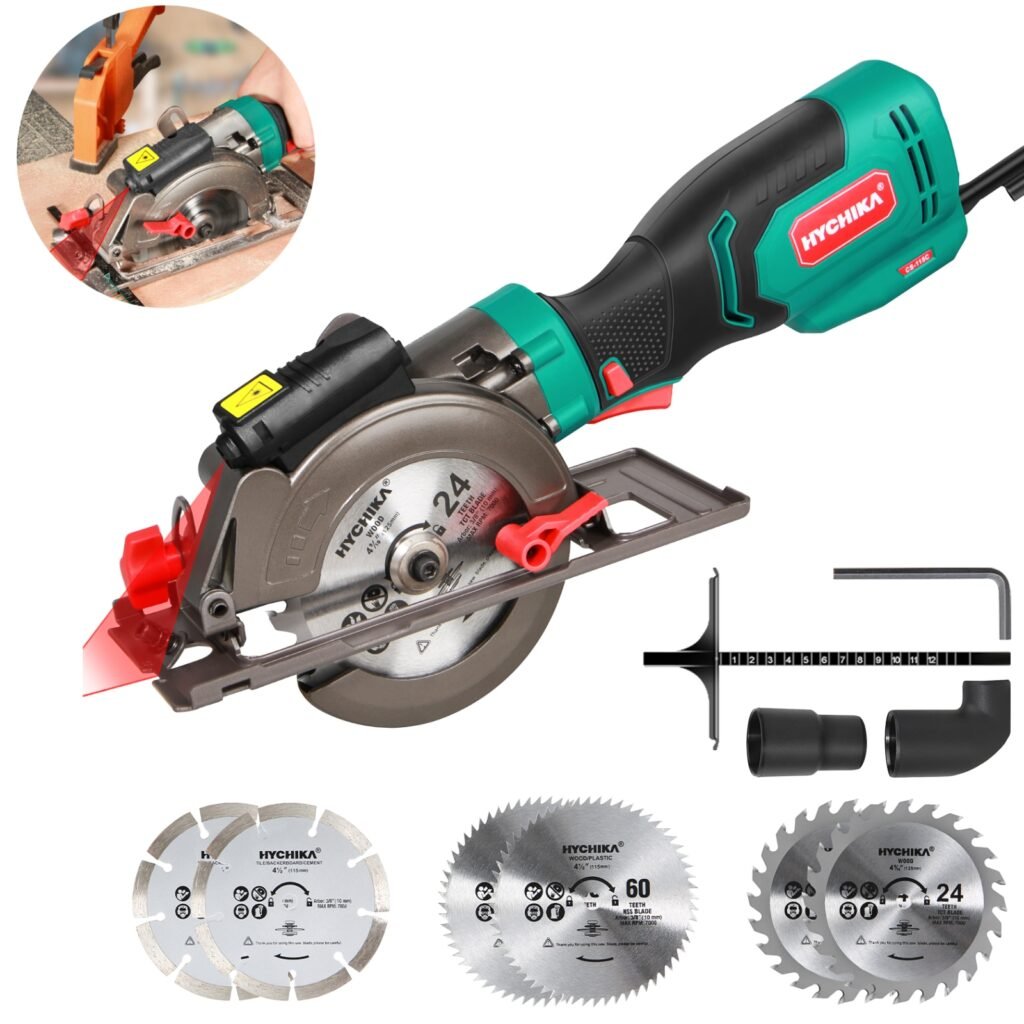
Learn how to set up a circular saw for safe, accurate cuts. Covers blade selection, cutting depth, bevel settings, workpiece support, guides, and common setup mistakes.

Learn how a circular saw guide rail works, how to set it up for straight cuts, how to check compatibility, and how to avoid common accuracy and safety problems.
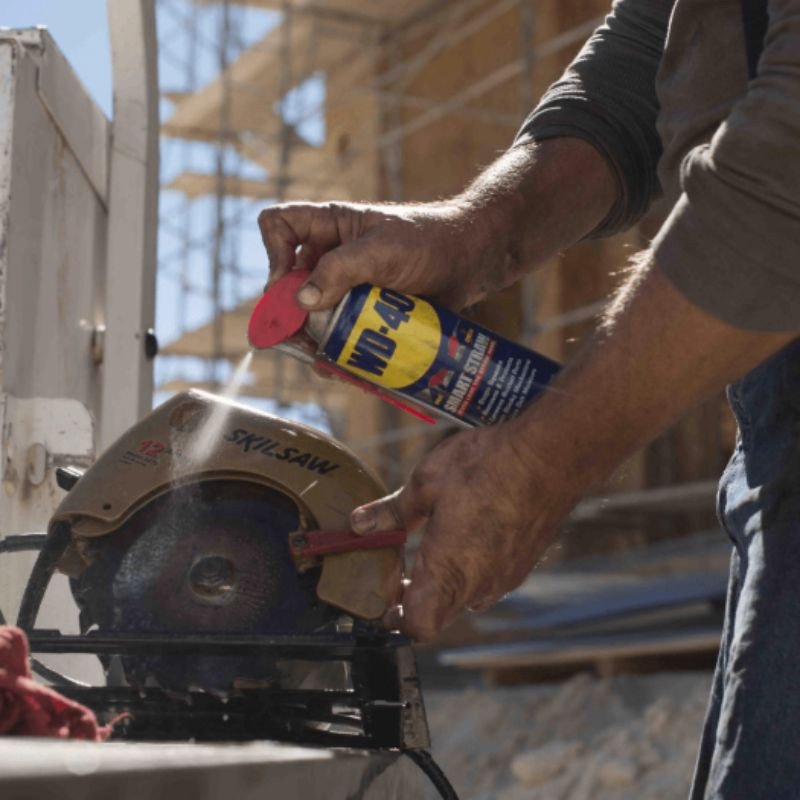
Learn how to lubricate a circular saw safely, where oil or grease belongs, when lubrication is unnecessary, and how to maintain gears, pivots, threads, and moving parts.
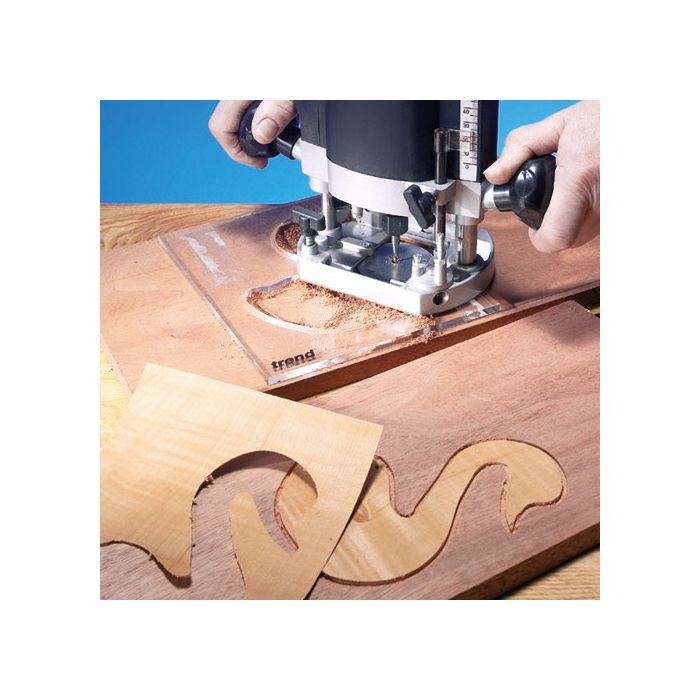
Learn how router pattern routing works, how to make and secure templates, choose pattern and flush-trim bits, control depth, avoid tear-out, and make accurate duplicate parts.
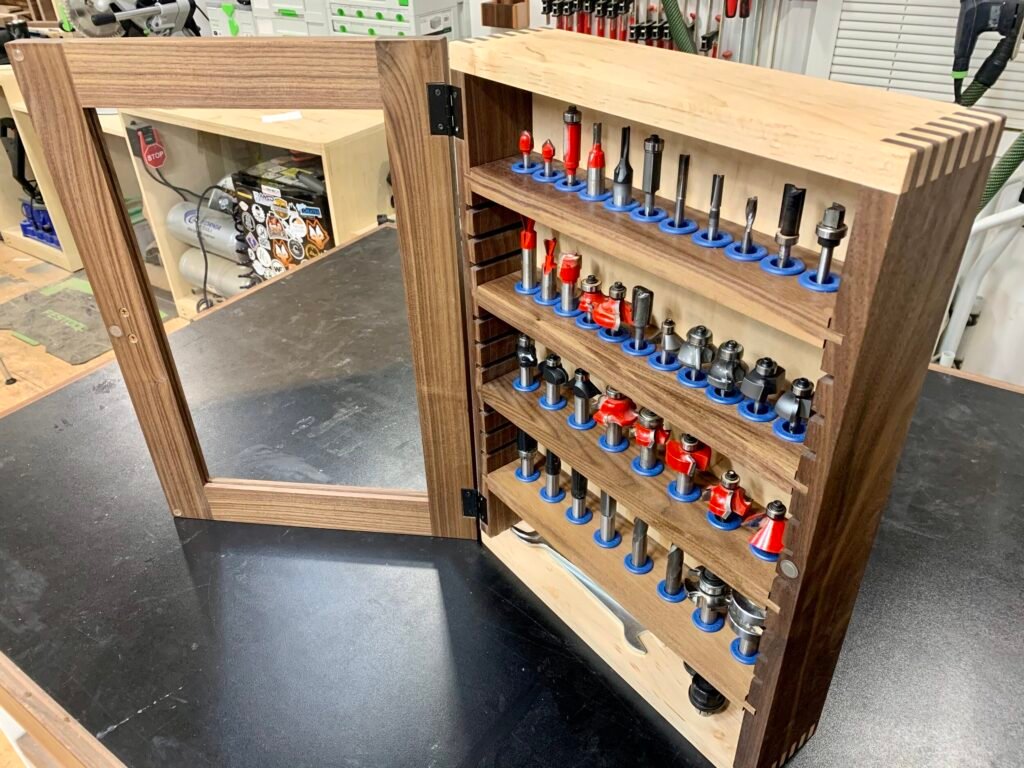
Learn how to store router bits safely and efficiently. Compare drawer trays, cabinets, racks, cases, and DIY storage ideas for 1/4-inch and 1/2-inch router bits.

Learn how router dust collection works, what equipment you need, how to collect dust from handheld and table routers, and how to improve workshop safety.

Learn what causes circular saw kickback, how to prevent it, and what to do when a blade binds, stalls, or starts to twist during a cut.
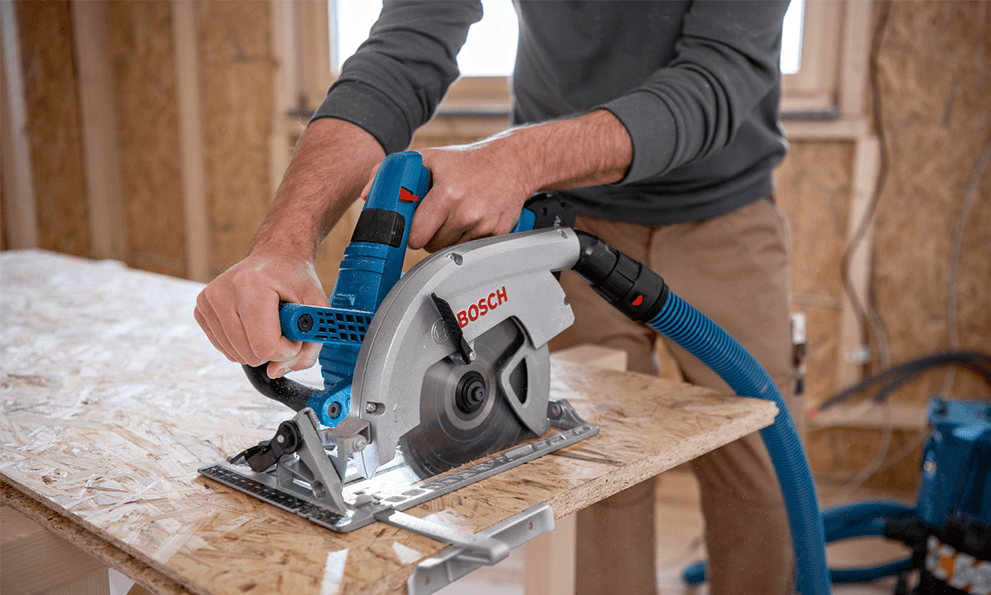
Learn how to control circular saw dust in U.S. workshops and jobsites using dust ports, vacuums, local exhaust, proper blades, housekeeping, and respiratory protection.